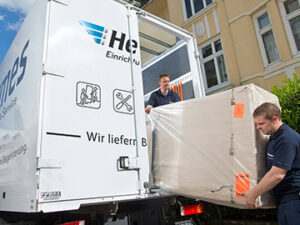
The delivery has been completed and the appliance is in place, but the decisive moment is yet to come: the first push of a button, the first hum, the first chill. Whether it’s a washing machine or a refrigerator, proper installation determines not only immediate usability but also customer satisfaction. For manufacturers and retailers, this is a strategically underestimated opportunity: delivering devices is one thing, but connecting them professionally prevents errors and builds brand appreciation.
Washing Machine Installation as Part of the Product Experience
Appliances for chilled drinks, clean laundry, and no dirty dishes represent consumer investments in comfort, efficiency, and quality of life. Expectations for washing machines and refrigerators are clear: they must be ready to use immediately, operate reliably, and remain trouble-free for as long as possible.
These expectations can only be met if the device is correctly connected, calibrated, and—in the case of refrigerators—positioned appropriately. Installation is not a minor detail but a core element of the product experience. A misaligned drain hose or an unlevel refrigerator can cause serious damage, not just to the appliance but to the home itself—and the blame often falls back on the retailer’s brand.
Common Mistakes in DIY Installation
Many buyers underestimate the effort and technical skills required to install washing machines and refrigerators. The critical moment in the customer journey begins not with the click online but when the device arrives and needs to be set up. Tackling this alone often leads to:
- Water damage: Improper connection of inlet and outlet hoses—missing seals, loose clamps, or kinks—can lead to leaks and damage to floors and walls. This not only poses liability risks but also harms the retailer’s reputation.
- Excessive noise or instability: Failing to remove shipping bolts or level the machine causes vibration, noise, and potential damage. Forgetting to remove transport locks can even destroy the drum.
- Insufficient cooling: Refrigerators must be placed away from heat sources with adequate ventilation. After transport, especially if tilted, the appliance needs time to rest before startup. Ignoring this can lead to poor performance or compressor damage.
- Electrical hazards: Using extension cords or under-rated outlets risks overloads, outages, or short circuits—especially in older buildings without proper circuitry.
- Mechanical damage during handling: Heavy appliances often suffer scratches or dents when moved by untrained helpers. Professional two-person teams with lifting aids and floor protection prevent these avoidable damages.
These errors frustrate customers and generate significant follow-up costs for retailers—from increased customer service workload to returns and negative reviews. But the greatest harm is loss of trust: a malfunctioning appliance leaves a negative impression that overshadows product quality and price.
Professional Installation: Advantages for Retailers
By offering trained installation services beyond mere delivery, manufacturers and retailers can proactively eliminate these pitfalls. Employing skilled personnel for setup and connection significantly reduces claims and support cases.
More importantly, installation transforms a potential frustration point into a positive brand experience. When an appliance works flawlessly from the first moment—without customers wrangling with hoses, levels, and manuals—it creates lasting satisfaction at home. This trust can be monetized: installation becomes a clearly defined, upsellable service. Retailers who invest here expand their portfolio and gain a competitive edge.
Five Key Benefits of Professional Washing Machine Installation
- Damage prevention through correct commissioning
- Stronger customer loyalty thanks to a seamless experience
- Increased revenue per sale with targeted add-on services
- Reduced customer service workload due to fewer errors
- Clear service differentiation from competitors
Supporting Data
A study by HES in collaboration with Cogitaris found that 45 percent of large appliance buyers have used a connection and installation service. Of those who weren’t offered this option, 29 percent would have booked it if it had been clearly presented at checkout. Demand exists—it simply needs to be addressed.
What a Professional Washing Machine Installation Entails
A comprehensive installation service typically includes:
- Delivery to the installation site by a trained two-person handling team
- Connection to electricity, water, and drainage using appropriate seals, hose extensions, or adapters
- Leveling and calibration of the machine for vibration-free operation
- On-site functionality check and, if desired, a brief user introduction
- Removal of packaging materials and, if commissioned, old-appliance haul-away
Conclusion: Installation as a High-Impact Value-Add
Proper installation of washing machines and refrigerators is the crucial link between product and customer experience. As a value-added service, it not only mitigates risk but also turns a one-time purchase into a lasting relationship.
Retailers who commit to delivery, installation, and ongoing support position themselves as reliable partners, increase customer satisfaction, and secure stable revenues. Companies like HES demonstrate how efficiently installation services can integrate into existing processes—enhancing both the customer journey and the bottom line.